-
Stablecoins and the Future of Global Digital Finance

Stablecoins have emerged as a major innovation in digital finance, combining the efficiency of blockchain technology with the price stability of traditional assets. Unlike volatile cryptocurrencies like Bitcoin and Ethereum, stablecoins maintain value by pegging directly to fiat currencies or reserve assets. This stability makes them practical for everyday payments, cross-border transfers, decentralized finance (DeFi),…
-
Nepal Budget 2026/27: An Analysis of Economic Priorities, Structural Reforms, and Growth Prospects
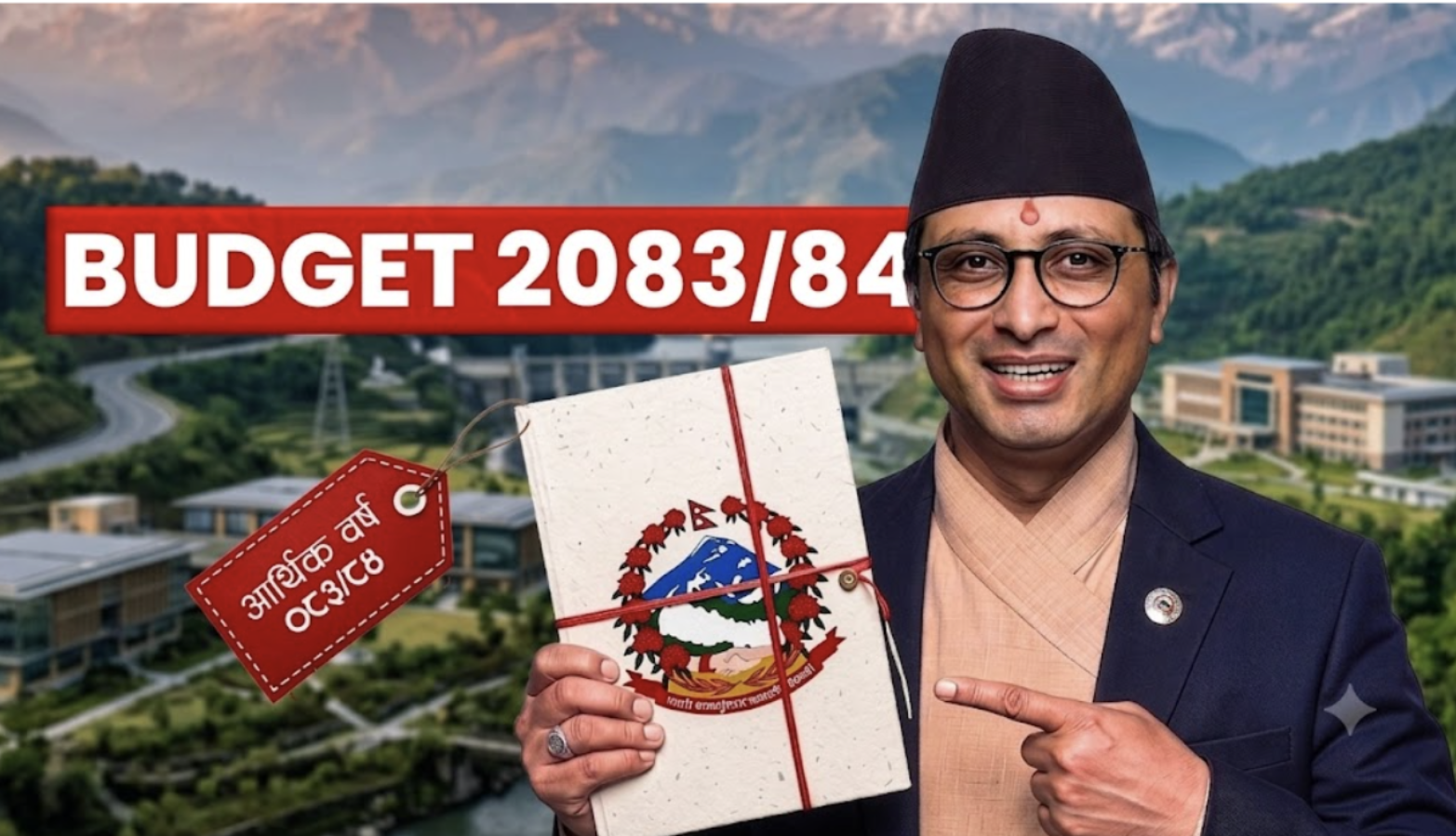
Nepal’s Budget for Fiscal Year (FY) 2026/27, which starts from July 17 th , 2026, and ends on July 15 th , 2027, is presented by Dr. Swarnim Wagle, Finance Minister of the newly elected government of Nepal.With a total outlay of Rs. 2.124 trillion, the budget is approximately 25 percent higher than the revised…
-
Understanding Nepal’s Capital Market Before You Invest

“The stock market is a device for transferring money from the impatient to the patient.” — Warren Buffett These words capture a timeless truth: wealth is rarely created overnight. Instead, it is built gradually through disciplined investing, patience, and sound decision-making. In today’s digital age, opening a Demat account, applying for an Initial Public Offering…
-
Nepal Fintech 2.0: The Next Phase of Digital Financial Transformation

For decades, cash has been at the center of Nepal’s economy. Managing money in Nepal meant physically going to a bank. Paying bills required standing in line. Sending money to family often meant relying on remittance agents or informal channels. For many, especially in rural areas, access to financial services was limited or inconvenient. Today,…
-
Turning Hydropower into Digital Wealth: Should Nepal Explore Crypto Mining and Data Centers?
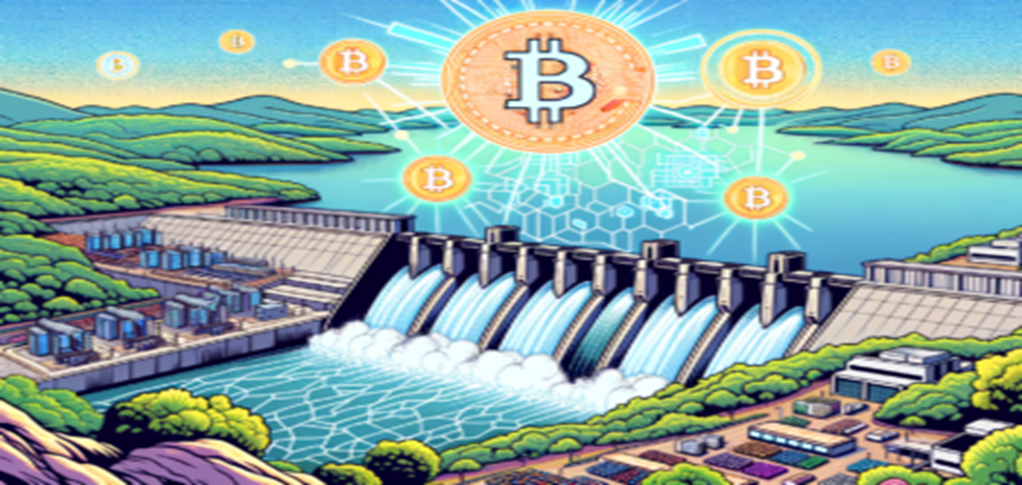
Nepal’s vast hydropower potential has long been regarded as one of the country’s most important economic assets—and one that remains significantly underutilized. With abundant river systems descending from the Himalayas, Nepal possesses an estimated 40,000 MW of economically feasible hydropower potential. In recent years, electricity generation capacity has expanded rapidly as new hydropower projects have…
-
Chokepoints of Power: Why Narrow Waterways Control the Global Economy
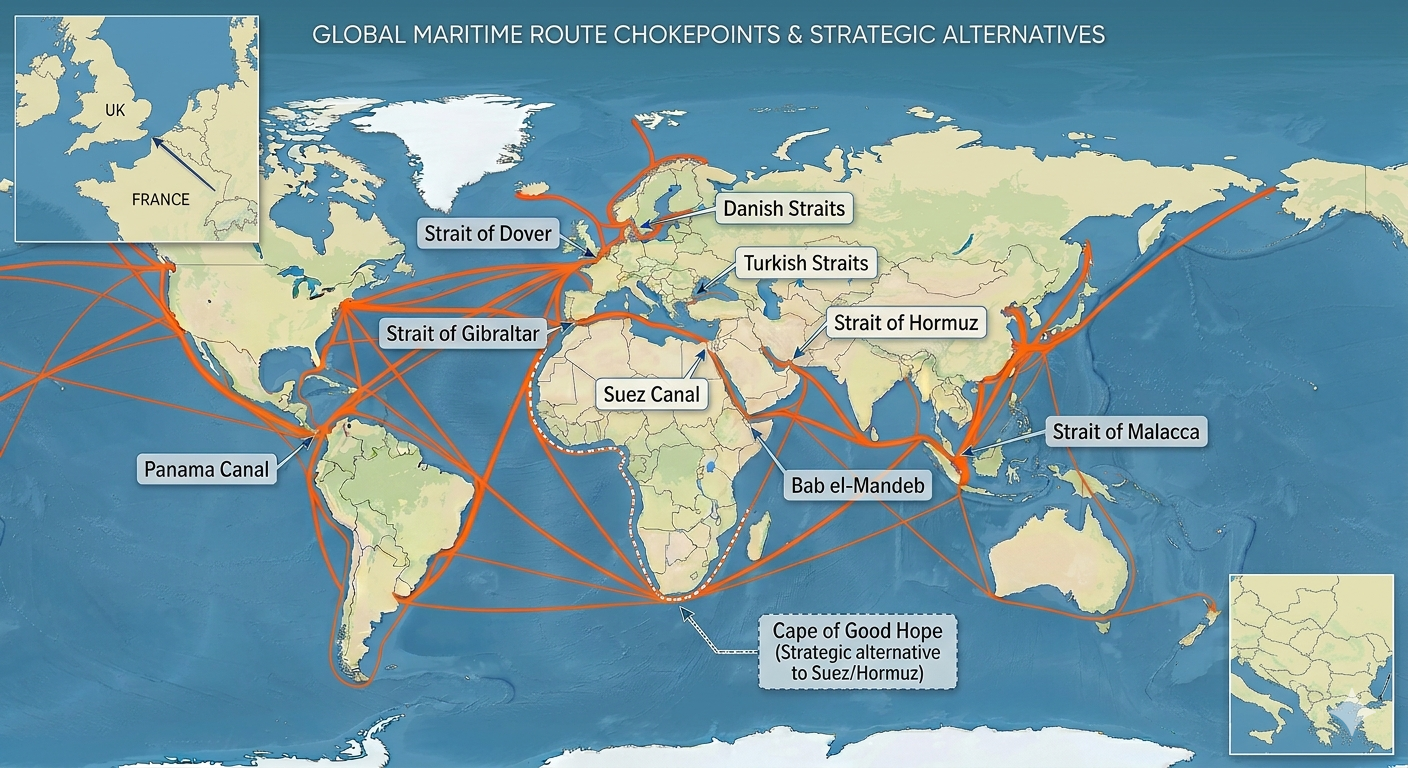
With the rise of globalization since the 1980s, we assume that global trade flows smoothly across vast oceans, supported by advanced logistics and modern technology. But in reality, the global economy depends heavily on a few narrow and highly strategic waterways. These maritime “chokepoints” act less like open highways and more like critical bottlenecks through…
-
Financial Literacy for the Future: Why Global Money Week Matters

GMW is an annual global awareness-raising campaign to ensure that young people, from an early age, are financially aware, and are gradually acquiring the knowledge, skills, attitudes and behaviors necessary to make sound financial decisions and ultimately achieve financial well-being and financial resilience. The campaign is coordinated by the OECD and implemented by national authorities. Throughout…
-
From Vision to Reality: Leveraging Private Equity in Nepal’s Economy

Private Equity and Venture Capital (PEVC), relatively new but rapidly evolving financial force, helping to professionalize the Nepali business environment, turning “good ideas” into scalable, sustainable enterprises that drive long-term economic growth in Nepal. For too long, the ‘missing middle’ of local entrepreneurship has been starved by a risk-averse, collateral-heavy banking system that favors established…
-
Sri Lanka’s Economic Odyssey: The Rise, the Fall, and the Remarkable Return
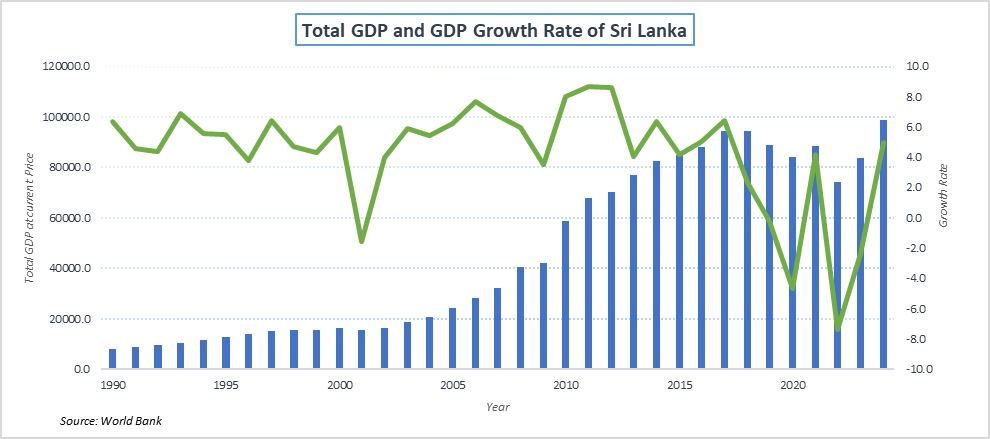
Sri Lanka, an island nation in South Asia, has historically been regarded as a moderately stable economy with potential for growth due to its strategic location, diversified agricultural base, and tourism appeal. However, it suffered the most severe economic crisis in its post-independence history, though it has again been able to rebound its economic activities…
-
Nepal’s LDC Exit Scenario and Strategic Pathways for Transition

Nepal is scheduled to graduate from the Least Developed Country (LDC) category on 24 November 2026 along with Bangladesh and Lao PDR. While public discourse has largely centered on whether Nepal should seek deferment, the more substantive national conversation must shift toward ensuring that graduation is smooth, strategic, and sustainable. Graduation is not merely a…